Flower Book Frame Line Art for Embroidery Projects
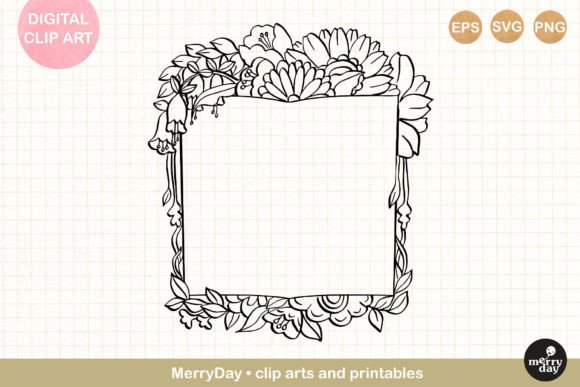
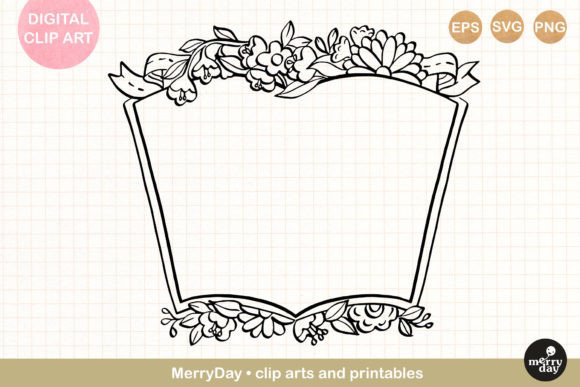
As an experienced embroidery designer and product reviewer, I always look for line art that feels both visually appealing and technically reliable. When I first opened the Flower Book Frame Line Art design, it caught my eye with its elegant structure and thoughtful layout. The design features a stylized book frame adorned with delicate floral elements, making it feel romantic yet timeless. It’s not just another ornamental graphic—it has a clear personality and purpose, especially in stationery or personalized gift work.
Aesthetic First Impressions
The Flower Book Frame Line Art is clearly intended as a graphic element to complement text or imagery within a larger composition. Its shape—essentially a stylized page or scroll—lends itself well to being used as a border or decorative background for written content like quotes, names, or short messages. The level of detail is moderate but consistent, which is great for maintaining clarity when stitched onto fabric.
I found the visual balance impressive. The floral motifs are placed in a way that doesn’t overwhelm the central area, leaving room for customization. This makes it perfect for things like custom sweatshirts, Valentine’s day cards, or even handmade baby items. It brings a sense of refinement without being too busy, which is essential for designs meant to be read or admired up close.
Real-Life Application: Tote Bag Design
Let’s take a practical example. Suppose you’re creating a custom tote bag for a boutique client who wants something soft, feminine, and suitable for everyday use. You decide to feature a quote inside the Flower Book Frame on the front panel. As a designer, you need to ensure the lines remain crisp and the flowers don’t become muddled after stitching.
This design does well in such scenarios. When using satin stitch along the outer edges and running stitch or sparse fill stitch for the inner floral details, the contrast between the lines and the negative space helps maintain definition. On mid-weight cotton or linen blends, the result looks clean and professional, especially if you pair it with high-quality thread colors.
Customer Reaction Considerations
One thing I consider during reviews is how customers will perceive the final product. The Flower Book Frame Line Art adds a touch of sophistication and personalization. For instance, using it on a holiday gift tag or a personalized pillow cover gives the item a handcrafted feel that resonates well with buyers looking for meaningful, unique products.
However, keep in mind that this isn’t a bold statement piece. It works best when supporting other design elements. If your project requires a strong focal point, you may want to pair it with a more prominent graphic or nameplate. That said, for those aiming at subtle elegance, it fits perfectly into the design assets toolkit.
Performance in Different Embroidery Scenarios
- Custom Apparel: Works beautifully on t-shirts, sweaters, and sweatshirts when scaled appropriately. The book frame can enclose a message or monogram, adding a decorative touch.
- Baby Items: Ideal for onesies or aprons where softness and charm are key. Just make sure to adjust stitch density to avoid bulkiness.
- Patches & Decorative Accents: Can be used as standalone embroidered patches or layered with other elements for a dimensional effect.
- Nursery or Holiday Decor: Adds a whimsical, artistic flair to wall hangings, coasters, or tea towels. Particularly good for Valentine’s Day or spring-themed projects.
- Digital Product Previews: Looks great in printable mockups for Etsy sellers showcasing handmade product concepts before actual production.
- Commercial Use: The design could easily be integrated into small shop branding or boutique merchandise, provided licensing terms allow it.
Where to Use With Caution
While versatile, there are specific situations where this design might fall short:
- Small Hoop Sizes: The intricate nature of the flower details may not translate well unless the design is significantly scaled down.
- Textured Fabrics: Rugged materials like canvas or denim can distort fine line work. Smooth surfaces are recommended for optimal results.
- Thin or Stretchy Fabrics: These may cause the lines to stretch or pucker, especially if the stitch density is high. Always test on similar material before committing.
- Dark Fabric Backgrounds: Unless using bright thread colors, the line art may appear washed out or lose visibility. A black-and-white mockup can help assess contrast.
- Curved Surfaces: When applying to caps or curved areas, the book frame’s symmetry could be disrupted. Manual adjustments may be necessary.
- Frequent-Wear Items: Designs with many tiny lines or corners might fray over time if used on garments like aprons or kitchen towels. Reinforcement with stabilizer is crucial here.
Design Impact and Practical Value
From a design perspective, the Flower Book Frame Line Art elevates the perceived value of any embroidered patch or sweatshirt embroidery project. It creates a sense of thoughtfulness and care, which is exactly what customers expect from a craft business or Etsy seller offering personalized gifts.
Stitching clarity is one of its strengths. Even when simplified for machine embroidery, the design retains enough character to stand out. It also supports brand consistency by offering a recurring motif that can be adapted across different product types, from holiday embroidery to commercial embroidery applications.
But don’t underestimate the importance of testing. Before using this design in production, try it on scrap fabric. Check how the stabilizer affects the outcome, whether the thread colors pop against your chosen fabric, and if the stitch density remains even throughout. Especially for detailed corners or thin lines, a little tweaking can make a big difference in the final finished product.
Designer Notes for Real-World Use
Here are some quick tips for integrating this design into your workflow:
- Test it on scrap fabric first, especially if you plan to use it on thin or stretchy materials.
- Review stitch density settings to avoid puckering or distortion, particularly around dense areas.
- Confirm hoop size compatibility. If the hoop is too tight, small details may get lost or stretched.
- Inspect small details under magnification to ensure they won’t break apart or become unreadable when scaled.
- Try it in black and white to see how it behaves with limited color palettes. This is helpful for monochrome branding or minimalist aesthetics.
- Use proper stabilizer for layers or stretchy fabrics to maintain structural integrity.
- Check whether the digital embroidery file allows for both personal and commercial use. Licensing matters, especially when selling handmade products online.
Enhancing Visual Appeal and Professionalism
What sets this design apart is its ability to enhance the overall presentation of an embroidery project. Whether you're working on a Valentine’s card or a wedding invitation, the Flower Book Frame adds a refined edge that makes the finished item feel intentional and polished.
It’s also effective for printable mockups in digital shops. The graphic element translates well into visual previews, helping potential buyers understand the scale and style before purchasing. This kind of attention to detail increases buyer engagement and builds customer trust, which is vital for creative entrepreneurs and digital product sellers.
In terms of giftability, this design excels. It brings a gentle, artistic touch to anything it adorns—from personalized gifts to handmade shop items. People appreciate the subtlety and the story behind the design, which often translates into repeat customers and positive reviews.
Final Thoughts for the Designer
The Flower Book Frame Line Art is a solid choice for designers who want to add a decorative yet functional illustration to their embroidery projects. It’s not flashy, but it’s far from forgettable. Its clean lines and structured layout make it adaptable across multiple uses, while still retaining a cohesive visual identity.
Just remember to treat it like any other machine embroidery design: evaluate the context, test thoroughly, and adjust as needed. Whether you’re an apparel decorator, a hobbyist, or a full-time craft business owner, this line art offers a reliable foundation for creative expression.
And always double-check the license if you plan to sell the finished product or use it in commercial work. Some illustrations and graphics come with restrictions, so knowing what you can and cannot do is part of the process.
In the end, this is a design that rewards careful consideration. Used right, it can become a signature element in your portfolio or a go-to embroidery file for clients who appreciate understated beauty.