Mandala Decoration Review for Real Embroidery Projects
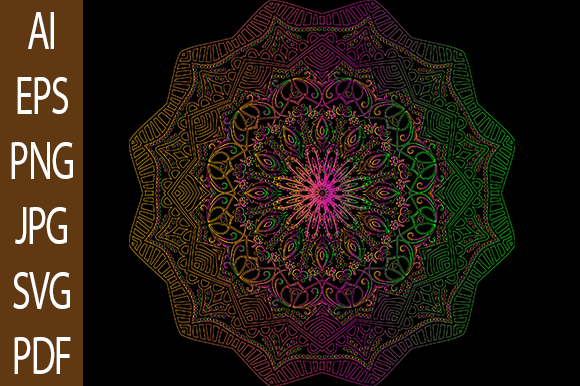
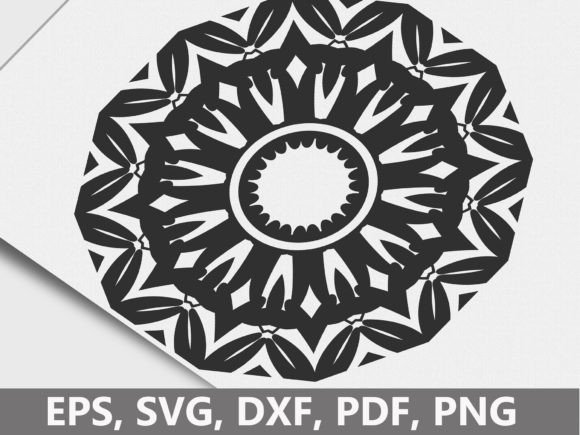
When I first opened the Mandala Decoration design file, I was immediately drawn to its intricate floral motifs and balanced composition. The swirling patterns and symmetrical layout evoke a sense of calm and spirituality—perfect for creating meditative or artistic vibes in embroidered items. As an embroidery designer who’s worked on countless handmade products and custom apparel projects, I know that first impressions matter, especially when you’re choosing a design that will be stitched into fabric and eventually held in someone's hands.
First Impressions: Mood and Aesthetic
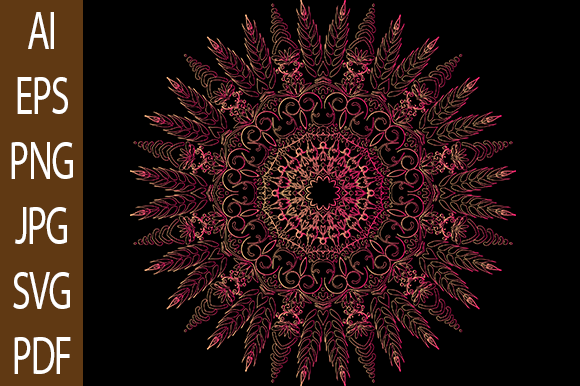
The Mandala Decoration feels like it belongs in a boutique shop selling personalized gifts or in a high-end Etsy listing for fashion-forward accessories. Its organic flow and layered petals suggest a hand-painted look, which is great for those aiming to add a touch of artistry to their handmade product. The theme is versatile enough to work across multiple use cases—from wedding invitations to fashion designs—but also has a distinct visual personality that stands out without being overwhelming.
I particularly appreciate how the details are arranged in concentric circles, allowing the design to maintain its integrity even when scaled down slightly. This makes it a strong candidate for background patterns in greeting cards or subtle accents on tote bags. However, for more detailed corners or curved surfaces like caps and hats, the complexity might require some careful adjustments.
Real-World Application Scenarios
Let me walk through a few real-life applications where this design could shine—or where it might need some tweaking:
- Custom Apparel: The Mandala works well as a central motif on sweatshirts or t-shirts, especially with a soft gradient of thread colors to match seasonal themes. For a holiday gift, like a custom sweatshirt for a yoga retreat, it adds just the right amount of elegance.
- Tote Bag Design: When applied to a tote bag, the mandala can become the focal point. Its circular shape allows for easy centering and alignment. Just make sure the hoop size is adequate so the entire pattern is captured clearly.
- Apron Embroidery: Using this design on an apron would make it feel unique and personal. It pairs beautifully with small text or names added around the edges using a running stitch or satin stitch.
- Pillow Covers & Blankets: The decorative nature of the Mandala fits perfectly as a background pattern. On pillow covers, it adds texture and interest without overshadowing other elements. For blankets, ensure the stitch density is adjusted for larger formats to avoid overcrowding.
- Printable Mockups & Digital Previews: As a digital embroidery file, the Mandala Decoration is excellent for showcasing in printable mockups. Its rich layers and symmetry help buyers visualize the finished product clearly, which is key for digital product sellers.
- Commercial Embroidery: If you're planning to use this in a commercial setting—for branding purposes or retail merchandise—you’ll want to test it thoroughly. The design’s visual appeal is strong, but for mass production, you’ll need to confirm licensing terms and check whether the stitch count holds up under frequent washing.
Where to Use with Caution
While the Mandala Decoration is beautiful and adaptable, there are a few situations where it may not perform as well:
- Small Hoop Sizes: If your project requires a compact design (like a patch), you’ll need to scale it down carefully. Details might get lost unless you simplify the inner layers before stitching.
- Textured or Thin Fabrics: The dense areas of the mandala may cause puckering on stretchy or delicate materials. Consider using a lightweight stabilizer to prevent distortion.
- Dark Fabric Backgrounds: The design relies heavily on contrast between thread and fabric. If you plan to stitch it onto darker materials, review the thread colors to ensure visibility and depth.
- Products That Need Frequent Washing: Dense fill stitches can lead to fraying over time if the fabric isn’t sturdy. Always do a test run on scrap fabric before committing to a large order of items like tea towels or baby clothes.
Embroidery Designer Notes
If you're working with this design in a professional or hobbyist capacity, here are a few practical tips to keep in mind:
- Test the design on scrap fabric first to see how the stitch density affects the material.
- Check the thread color contrast against your chosen fabric. A black and white mockup can help identify any potential issues before stitching.
- Review the design for small details—especially in the innermost parts of the mandala. These can be tricky on tight curves or thin threads.
- Confirm the recommended hoop size, as scaling too much can distort the proportions or lose important elements.
- Use proper stabilizer to support the fabric during stitching, especially on stretchy or delicate materials.
- Make sure the design aligns with your brand identity. Its spiritual and artistic vibe suits certain niches better than others.
- Always verify the licensing terms if you plan to sell finished items or digital embroidery files. Some designs come with restrictions that affect commercial use.
Impact on Product Value and Customer Experience
In my experience, using the Mandala Decoration elevates the perceived value of a product. Whether it’s a sweatshirt embroidery or a nursery decor item, customers tend to notice the quality and thoughtfulness behind such detailed work. It contributes to brand consistency if your creative direction leans toward natural, bohemian, or spiritual aesthetics.
From a craft business standpoint, the Mandala adds a level of professionalism and uniqueness that sets your items apart at craft fairs or online shops. As an Etsy seller, I’ve found that designs like these attract attention because they’re both visually appealing and emotionally resonant. They also enhance giftability, making them ideal for special occasions like weddings or holidays.
Stitch Clarity and Presentation
One thing I always look for in an embroidery file is how it translates from screen to fabric. The Mandala Decoration does well in this aspect—its lines are clean, and the layers don’t overlap awkwardly. However, depending on the machine and settings, the outer petals may require some fine-tuning for smooth transitions between stitch types.
For embroidered patches, the design should work well if trimmed properly and backed with interfacing. But for items like cap embroidery, where the surface is curved and space is limited, consider simplifying the design or focusing on one section of the mandala.
Final Thoughts for Makers and Entrepreneurs
The Mandala Decoration is a strong addition to any embroiderer’s library of design assets. It brings a sense of harmony and beauty to a wide range of projects, from personalized gifts to small shop products. But like any complex design, it demands attention to detail and thoughtful preparation.
As a reviewer, I’d recommend this machine embroidery design for creators who value craftsmanship and are willing to put in the effort to make each finished product stand out. Whether you're designing for yourself or your customers, the Mandala offers a timeless aesthetic that can enhance everything from fashion design to background patterns in printed materials.
Before you start stitching, take a moment to inspect the design thoroughly. Confirm its suitability for your specific embroidery project, adjust stitch settings for optimal results, and most importantly, test it out. After all, the best way to know how a design will perform is by seeing it in action—on actual fabric, in real-world conditions.