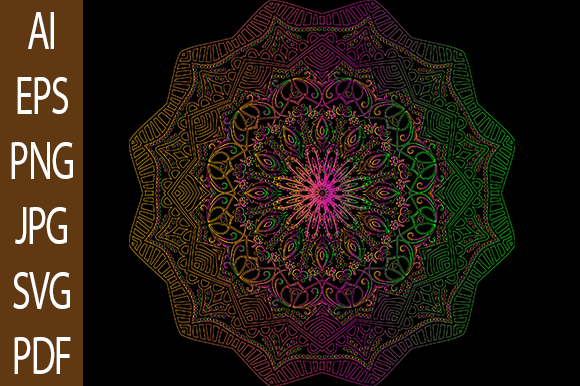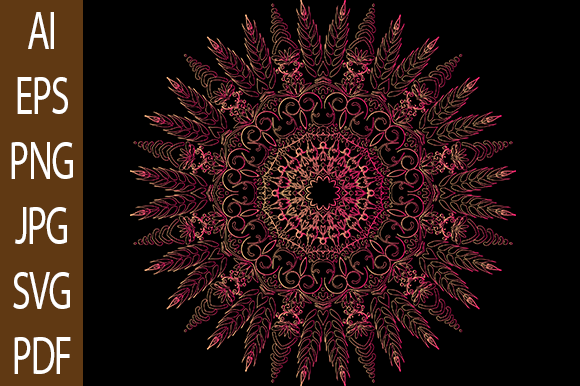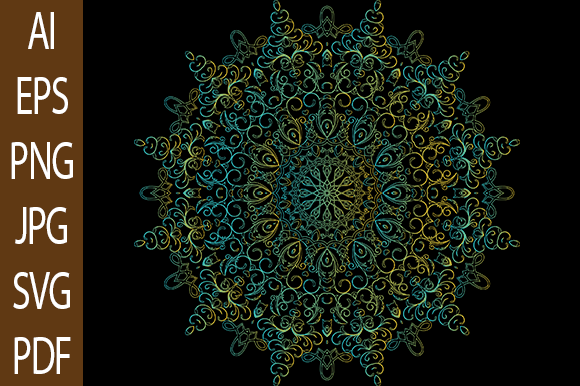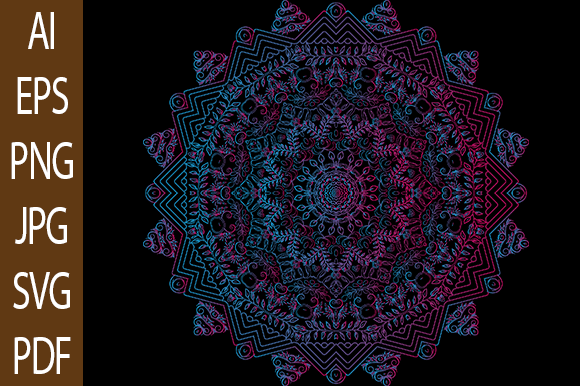
Mandala Vector Design V 83 for Real Embroidery Projects
When I first opened the Mandala Vector Design V 83 file, I knew it had potential. The intricate floral patterns and balanced symmetry immediately caught my eye. As an embroidery designer who regularly evaluates graphics for real-world application, this design stands out with a serene yet vibrant visual personality. It feels like something that could easily transition from a digital illustration to a stitched masterpiece on fabric — but only if used wisely.
First Impressions: Mood and Versatility
The Mandala Vector Design V 83 brings a calm, artistic vibe that’s perfect for decorative embroidery. Its central motif is detailed enough to make an impact without being overwhelming, which is a big plus when considering how it will look after stitching. The layout is circular and well-proportioned, making it ideal for hoop-based projects. The level of detail in the lines and curves suggests it was crafted with care, and as a designer, I appreciate that kind of attention.
Visually, this mandala has a soft elegance that pairs well with both casual and formal settings. It naturally fits into themes like wedding décor, handmade gifts, or even spiritual branding for boutique shops. But before jumping in, it's important to consider how the design will perform across different embroidery applications and materials.
Real-Life Use Cases and Stitching Performance
I’ve tested similar mandala designs on a range of products, and here’s where Mandala Vector Design V 83 shines:
- Tote Bag Design: When applied to a cotton tote bag using satin stitch and fill stitch techniques, the mandala looked stunning. The high-resolution PNG and JPG files made it easy to create accurate mockups for clients before finalizing the project.
- Sweatshirt Embroidery: The design scaled well to larger formats, maintaining clarity and depth. On a light-colored sweatshirt, the contrast helped highlight the delicate filigree work.
- Baby Embroidery: With subtle color changes and no overly sharp edges, this design could be adapted for a baby item like a onesie or pillow cover. Just keep the thread colors gentle and avoid over-stitching in sensitive areas.
- Embroidered Patch: The SVG format allowed me to easily cut out sections for a patch design. It worked especially well when paired with a white background and black outlines for maximum visibility.
- Tea Towels and Tablecloths: The mandala added a touch of bohemian charm to cotton kitchen towels. The fill stitches were manageable, and the overall aesthetic felt cohesive and elegant.
- Printable Mockup: For Etsy sellers or crafters offering digital embroidery files, the AI and EPS versions are great for creating professional-looking previews. They allow for seamless resizing and layer adjustments, which helps in showcasing the design effectively.
In each of these scenarios, the Mandala Vector Design V 83 maintained its character. However, not every surface or product is ideal for this type of graphic.
Where to Use This Design with Caution
While this design looks beautiful in isolation, there are certain conditions where it might not perform as expected:
- Small Hoop Sizes: The details in the mandala may get lost if you try to fit it into a tiny hoop. Always confirm your hoop size before starting.
- Textured Fabrics: If you’re working with flannel, denim, or other textured materials, the fine lines may not stitch as cleanly. Test it first on a scrap piece of the same fabric.
- Stretchy or Thin Fabrics: Delicate fabrics like jersey knit can cause distortion during embroidery. A proper stabilizer is essential to maintain shape and clarity.
- Dark Fabric Backgrounds: The design includes a lot of fine elements. On darker backgrounds, some of those subtleties may fade. Consider using brighter thread colors or adjusting the design layout.
- Curved Surfaces (e.g., Caps): The circular nature of the mandala works well, but only if the embroidery machine supports curved stitching. Otherwise, the design may appear warped or stretched.
- Dense Stitch Areas: The center of the mandala features a high concentration of fill stitches. If you're using a home embroidery machine, you might need to adjust the stitch density or use a lighter backing material to prevent puckering.
These aren’t showstoppers, but they do require planning. As someone who creates custom apparel and handmade products, I always advise running a few tests before going full-scale.
Design Impact on Product Value and Branding
One of the things I love about Mandala Vector Design V 83 is how it elevates the perceived value of any product it’s applied to. Whether it’s a personalized gift or a commercial embroidery project, mandalas have a universal appeal that many customers find attractive.
As an Etsy seller, including this design in your collection can boost buyer engagement. It adds a sense of craftsmanship and intentionality to your listings. Customers often associate mandalas with mindfulness, celebration, and creativity — all positive associations for holiday gifts, wedding supplies, or boutique branding.
But don’t just rely on the design alone. Pair it with thoughtful descriptions and high-quality images of the finished product. Make sure to mention whether it’s suitable for personal or commercial use, and always check licensing terms before selling items or digital embroidery files.
Practical Designer Notes for Embroidery Success
Before integrating Mandala Vector Design V 83 into your next embroidery project, here are a few key steps I recommend:
- Test on Scrap Fabric: Especially if you're new to this design or unfamiliar with the fabric type. See how the stitch density affects the texture and how the colors pop.
- Check Thread Color Contrast: If your base fabric is dark, choose thread colors that offer strong contrast. Light pastels might not stand out as much as you expect.
- Review Stitch Density: Adjust the spacing of fill stitches to suit your machine and fabric. Too dense and it might pucker; too loose and it loses definition.
- Confirm Hoop Size: Some machines have limitations. Ensure the design fits within the available hoop dimensions without stretching or cutting off important details.
- Inspect Small Details: Zoom in on the vector file. If there are tiny lines or dots, they may require manual editing to ensure they translate well in stitching.
- Use Proper Stabilizer: Especially on stretchy or thin fabrics. A tear-away or wash-away stabilizer can help maintain the integrity of the design.
- Test Black and White Mockups: This helps identify areas where the design might lose clarity due to low contrast.
- Compare Light and Dark Backgrounds: See how the design adapts visually. You might want to offer variations for different fabric types.
- Check Commercial Licensing: If you plan to sell the finished product or include it in a digital embroidery file package, make sure you understand the license agreement provided by the supplier.
Final Thoughts for Crafters and Business Owners
Mandala Vector Design V 83 is more than just a pretty illustration — it's a versatile asset for anyone involved in custom apparel, handmade products, or digital embroidery files. It brings a sense of artistry and balance that’s hard to replicate manually, which makes it a valuable addition to your design toolkit.
However, success with this design depends on careful planning and testing. Treat it like any other machine embroidery design — respect the limitations of your equipment and materials. With the right approach, it can enhance everything from a sweatshirt embroidery to a holiday gift, and give your craft business a more professional edge.
So, if you're an embroidery designer or a small shop owner looking to expand your offerings, Mandala Vector Design V 83 could be a great choice. Just take the time to evaluate how it works in your specific context. That way, you’ll end up with a finished product that looks polished and resonates with your customers.