Moth and Botanical Elements Design Review for Real Projects
As an embroidery designer with years of experience, I often come across digital designs that look great on screen but fall short when it comes to real-world application. The Moth and Botanical Elements Design is one that caught my eye not just for its aesthetic appeal, but also for how well it could translate into actual handmade products or commercial items. Let’s take a closer look at what this design offers and where it shines — or where it might need some caution.
Aesthetic First Impressions: Elegance in Nature
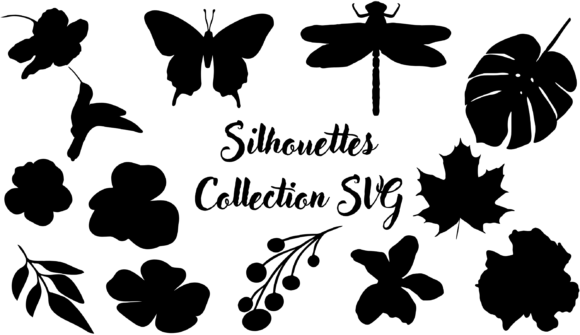
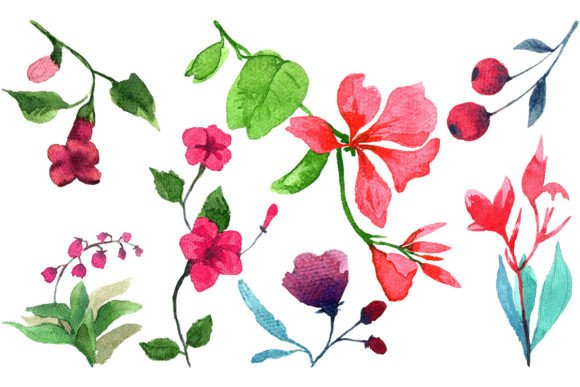
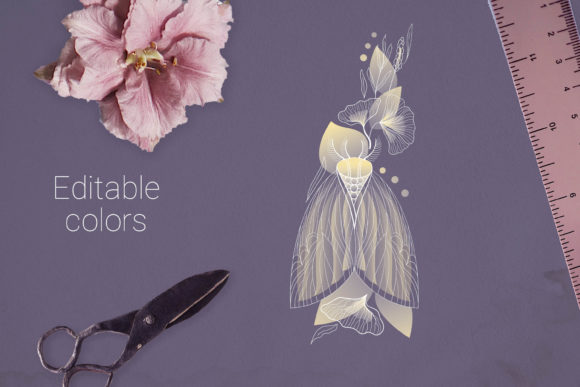
The first thing I noticed about the Moth and Botanical Elements Design is the soft, organic feel it brings. The moth, with its delicate wings and subtle shading, feels like a whisper of night-time beauty, while the botanical elements add a grounded, floral elegance. It’s clear this design was crafted with attention to natural curves and flowing lines, making it ideal for projects that aim to evoke a sense of serenity or sophistication.
I found the layout balanced and versatile. The elements aren’t too clustered, which allows room for customization without feeling cluttered. This makes it a strong candidate for embroidered patches, custom apparel, or even handmade product embellishments. The visual personality leans towards the romantic and whimsical side, fitting perfectly for holiday gifts, wedding invitations, or nursery decor.
Real-Life Embroidery Applications
When considering how the Moth and Botanical Elements Design would perform in various embroidery scenarios, I see it working especially well on larger, flatter surfaces. For example, if I were creating a custom sweatshirt for a boutique client, this design would serve as a beautiful focal point. Its detail level supports a mix of satin stitch and fill stitch techniques, allowing for depth and dimension depending on how you choose to execute it.
On a tote bag design, the motif adds an elegant touch that can be easily customized by adjusting thread colors. The vector-based nature of the file means I can tweak the outlines and shapes to match the brand’s palette or the customer’s preferences. For digital embroidery files, this flexibility is a major plus — it gives crafters and small shop owners the ability to personalize each item without needing advanced design skills.
In terms of commercial embroidery, the design has potential for use in small shop products or Etsy listings. When paired with quality fabrics and stitching, it elevates the overall look of a product, giving it a more professional finish. As a decorative accent, it works beautifully on pillow covers, aprons, or even tea towels where the design isn’t the main focus but contributes to the overall charm.
Testing and Customization Tips
- Test on scrap fabric first: Especially important for high-end projects like wedding gifts or personalized items.
- Check thread color contrast: If using light-colored threads on dark fabric, consider whether the design will remain visible and impactful.
- Review stitch density: Dense areas may require additional stabilizer to prevent puckering or distortion.
- Confirm hoop size: Larger elements mean bigger hoops; ensure your setup can accommodate the full design.
- Inspect small details: The moth’s wings and intricate botanical lines are delicate and may need extra care when positioning and stitching.
- Use black and white mockups: To evaluate how the design will appear in grayscale or on unexpected color backgrounds.
- Compare light and dark fabric backgrounds: This helps assess visibility and overall impact before finalizing a project.
- Use proper stabilizer: Especially crucial for thin or stretchy materials to maintain shape and clarity during embroidery.
- Check licensing: Before selling finished items or offering digital products, always verify the terms to avoid any legal issues down the line.
Cautious Use in Specific Scenarios
While the Moth and Botanical Elements Design is visually appealing, there are situations where it requires careful handling. On textured fabrics, such as canvas or denim, the fine lines may lose their definition unless the right thread weight and tension settings are used. Similarly, if stitched onto thin or stretchy material, the design might distort, particularly in the detailed wing patterns or curved parts of the botanical elements.
Small hoop sizes can also be tricky. If you're planning to use this in a patch format, make sure the hoop dimensions allow for the entire design to fit comfortably. Otherwise, you may end up compromising on scale or detail, which can affect the final product’s visual appeal.
For curved surfaces like caps or hats, the design’s flow must be adapted carefully. The wings and petals may not align correctly due to the curvature, so I recommend using a smaller section of the design or adjusting it to follow the contour better.
Design Integrity on Frequently Washed Items
If you’re thinking of using this design on kitchen towels or other products that need frequent washing, keep in mind that overly dense stitch areas might wear out faster over time. A good strategy is to simplify certain sections slightly or reduce stitch density where possible to ensure durability without sacrificing style.
Customer Reactions and Project Value
From a buyer perspective, this design has a strong emotional pull. The combination of a nocturnal creature and lush botanicals suggests themes of mystery, growth, and natural beauty. These are powerful concepts for personalized gifts, handmade product branding, or even custom apparel for a niche audience.
Customers tend to respond positively to embroidery projects that feel handcrafted yet polished. The Moth and Botanical Elements Design strikes that balance well. It enhances the product value subtly — not overpowering the item but adding a layer of thoughtful detail that stands out. This kind of design can increase customer trust and perceived professionalism, especially for Etsy sellers or those marketing through printable mockups.
Its presence on a finished product also boosts brand consistency for small businesses looking to establish a signature look. Whether it's a sweatshirt embroidery or a holiday gift, this motif adds a touch of uniqueness that customers notice and appreciate.
Practical Notes for Designers and Sellers
One of the best features of this machine embroidery design is its adaptability. Because it's based on vectors, you can resize it without losing quality, which is perfect for experimenting with placement and scale. However, resizing too much (especially shrinking) can cause fine details to become less defined, so always test different sizes on actual fabric before committing to production.
When using it for commercial embroidery purposes, such as selling embroidered patches or small shop merchandise, be sure to confirm the licensing information. Many free or low-cost illustrations come with restrictions that could limit your sales options, so don't skip this step.
Also, consider the background of your design assets. The Moth and Botanical Elements Design looks best when placed against a clean, neutral backdrop. For digital product previews, I suggest using it sparingly — maybe as part of a suite of motifs rather than the sole feature — to keep the overall look cohesive and elegant.
Where It Truly Shines
- Baby items: The soft, dreamlike quality of the moth and botanicals pairs nicely with pastel tones and gentle fabrics.
- Nursery decor: It adds a quiet sophistication to embroidered wall art or fabric mobiles.
- Wedding invitations: As a subtle border or corner element, it brings a touch of nature and romance.
- Custom apparel: Especially on long-sleeve sweaters or hoodies, where the design can be positioned to wrap around the arm or chest area.
- Holiday gifts: A minimalist version could work well on ornaments, gift tags, or holiday cards.
Final Thoughts from a Designer’s Perspective
Embroidery is as much about function as it is about form. The Moth and Botanical Elements Design does well on both counts. It brings a unique artistic flair that sets apart handmade products from mass-produced ones, while still being practical enough to handle in a variety of real-life projects.
That said, it’s not a one-size-fits-all solution. Depending on your project’s requirements — fabric type, hoop size, intended use, and wash frequency — you’ll need to adjust your approach accordingly. But with the right preparation and attention to detail, this design can elevate your work and help your craft business stand out in a crowded market.
So, if you're an embroidery designer, creative entrepreneur, or digital product seller looking for something that feels both personal and professional, the Moth and Botanical Elements Design is worth exploring — just be ready to put in the work to make it shine on your next embroidery project.