Water Blue Ball Character Illustration Review: A Designer’s Perspective
As an embroidery designer and product reviewer with years of experience in the craft industry, I’ve seen countless designs come and go. Some are visually stunning but fall flat when stitched. Others may look simple but bring a unique charm to handmade products. The Water Blue Ball Character Illustration is one of those rare designs that balances both aesthetics and functionality — but not without its considerations.
First Impressions: Playful and Versatile
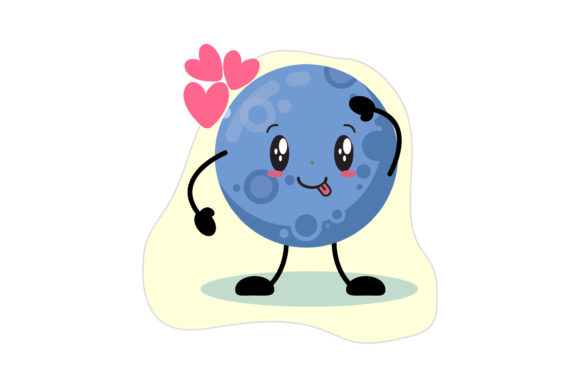
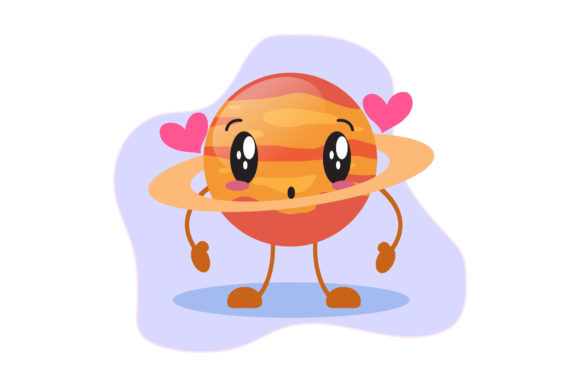
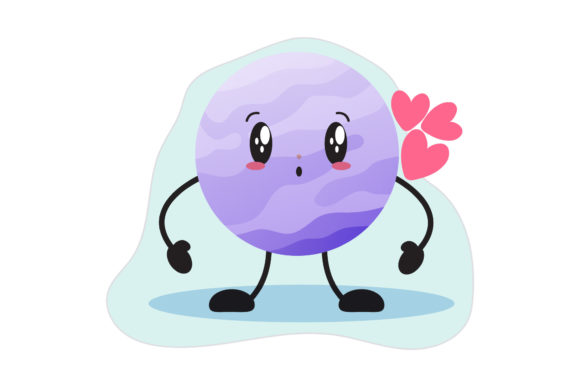
The moment I opened the digital file for the Water Blue Ball Character Illustration, I was drawn to its soft, rounded shape and the subtle blue tones that give it a calming yet playful vibe. It feels like a whimsical character you might find on a children's book or a retro cartoon, making it ideal for a wide range of creative uses. The design is clearly crafted with attention to detail, using smooth curves and gentle outlines that suggest it will stitch cleanly and maintain its visual appeal across different surfaces and materials.
From a mood perspective, this illustration conveys joy and serenity. It’s perfect for projects that aim to evoke warmth and positivity — think holiday gifts, nursery decor, or even boutique branding. The layout is centered and symmetrical, which makes it easy to place on most items, especially if you're working with square or round hoop sizes. However, as always, I recommend testing it first on scrap fabric before committing to a finished product.
Design Details and Visual Personality
The level of detail in the Water Blue Ball Character Illustration is moderate, leaning more towards simplicity than complexity. This is actually a strength because it means the design can be adapted easily for various embroidery techniques. Whether you’re using satin stitch for a polished look or running stitch for a more casual, hand-drawn feel, the character maintains its identity.
I particularly appreciate how the illustration avoids intricate linework that could break down during stitching. The clean lines and minimal shading make it accessible for both beginners and seasoned embroiderers. As an embroidery file, it doesn’t demand high stitch density or specialized equipment, which is great for hobbyists and small shop owners who may not have industrial machines.
Real-Life Embroidery Projects: Where This Design Shines
This kind of character illustration works best on larger, flatter surfaces where it can breathe. For example, imagine adding the Water Blue Ball to a custom sweatshirt for a kids’ birthday party. The color palette blends well with pastel threads, and the bold features ensure visibility from a distance. On a tote bag design, it adds a fun and recognizable touch, especially when paired with minimalist text or other complementary motifs.
For baby clothes or baby item embroidery, the Water Blue Ball brings a sense of innocence and charm. Its non-threatening, friendly appearance is perfect for onesies, bibs, or blankets. Just make sure to choose thread colors that pop against the fabric you're using — especially if it’s a darker base.
Another strong use case is for embroidered patches. The design has enough character to stand out when sewn onto denim jackets, backpacks, or aprons. Its compact layout also allows for smaller patch sizes, though I’ll get into some limitations later.
In terms of commercial embroidery, this illustration can serve as a design asset for Etsy sellers and small business owners. It’s adaptable enough to be used in printable mockups for digital product previews, while still holding up on physical items like pillow covers or kitchen towels. The design’s consistent proportions and clear silhouette help maintain brand recognition across different merchandise types.
Where to Use It Carefully
While the Water Blue Ball Character Illustration is versatile, there are certain situations where extra care is needed:
- Small Hoop Sizes: The character is slightly large and detailed, so using it in tight spaces may compromise clarity. Always confirm your machine’s minimum hoop size and adjust accordingly.
- Textured Fabrics: If you're working with knits, canvas, or linen, consider how the texture might affect stitch definition. You may need to increase tension or add stabilizer for better results.
- Stretchy or Thin Fabric: Stretchy materials like spandex or lightweight cotton can cause distortion. Stabilizing the back of the fabric is key here.
- Dark Backgrounds: The blue tones may not show up as vibrantly on dark fabrics. Test with white or light-colored threads to see how it contrasts.
- Curved Surfaces: Patches on caps or curved seams may require additional stretching adjustments to avoid puckering or misalignment.
- Dense Stitch Areas: While the design isn't overly dense, overlapping stitches can cause bulkiness, especially if you’re layering multiple characters or using thick threads.
Always test the design on a sample piece before mass production. This ensures that the final handmade product looks as good as the original concept.
Thread Colors and Stitch Density Considerations
One thing I noticed right away is that the illustration relies heavily on varying shades of blue. This gives it depth and dimension, but it also means you’ll need at least three different thread colors to replicate it accurately. Depending on your machine and software, you may want to split the design into separate layers for each color.
The stitch density is well-balanced. There are no areas that seem over-stitched or under-stitched at a glance, which is promising. Still, I recommend reviewing each section closely to ensure that fill stitches don’t create unwanted shadows or that running stitches don’t become too sparse on stretchy materials.
Also, keep in mind that the design includes some delicate corners and subtle outlines. These can sometimes disappear if not stabilized properly. When working with thin or washable fabrics, such as tea towels or baby clothes, reinforcing the back with tear-away or cut-away stabilizers will help preserve the fine details after multiple washes.
Testing Before Committing
Before applying the Water Blue Ball to a real project, try these practical tests:
- Embroider it on a scrap of the same fabric type you plan to use.
- Test it in black and white to see how it translates to grayscale (especially useful for monochrome collections).
- Compare the stitched result on light and dark backgrounds to understand contrast variations.
- Check whether the design remains intact after washing and drying cycles — especially if it’s going to be used in apparel or household items.
These steps can save you time and materials by catching potential issues early.
Customer Reaction and Market Fit
When evaluating a design for a craft business, I always consider how customers will react to it. The Water Blue Ball has a universal appeal — it’s neither too childish nor too adult, making it suitable for a broad audience. As an embroidery project, it can elevate the perceived value of a personalized gift or boutique product.
On Etsy, this kind of design would perform well in listings for embroidered accessories or home décor. Its cheerful personality fits naturally into themes like “happy days,” “holiday cheer,” or “playful living.” As a digital embroidery file, it can also be bundled with other similar illustrations for a cohesive collection, which increases buyer engagement and repeat sales.
However, for clients expecting hyper-realistic or highly detailed work, the Water Blue Ball might not hit all the right notes. It’s more of a stylized, decorative piece rather than a photo-accurate representation. That said, it’s excellent for creating a whimsical, artistic impression — especially when used as part of a larger composition.
Design Impact on Branding and Giftability
What I love about this illustration is its memorability. The Water Blue Ball has a distinct visual personality that can help your brand stand out. Whether you're using it on a holiday embroidery gift or as part of your small shop product line, it adds a signature style that customers can recognize and return to.
Its softness and approachability also make it a great fit for family-friendly brands or educational businesses targeting young audiences. It doesn’t scream “commercial” but instead offers a warm, handmade feel that aligns with the values of many craft business owners and Etsy sellers.
When it comes to giftability, this design ticks all the boxes. It’s not generic, but it’s not niche either. It feels thoughtful and personal, which is exactly what buyers look for in a personalized gift. Imagine stitching it onto a plush toy or a custom blanket — it instantly becomes something special.
Final Thoughts for Creative Entrepreneurs
If you're looking for an embroidery design that can work across multiple platforms and products without losing its charm, the Water Blue Ball Character Illustration is a solid choice. It brings a fresh, colorful energy to any handmade product and can be used effectively in both personal and commercial settings — provided you follow best practices for embroidery setup and stabilization.
Just remember to review the licensing terms before selling any finished items or digital products based on this design. Many vector graphics come with restrictions, and you don’t want to risk legal issues down the line.
Overall, I’d say this illustration is a keeper. It’s not just another graphic — it’s a design with character (pun intended), ready to bring joy to your next project. Whether you're an apparel decorator, a digital product seller, or simply a hobbyist exploring new ideas, the Water Blue Ball is worth considering for your next embroidery file lineup.