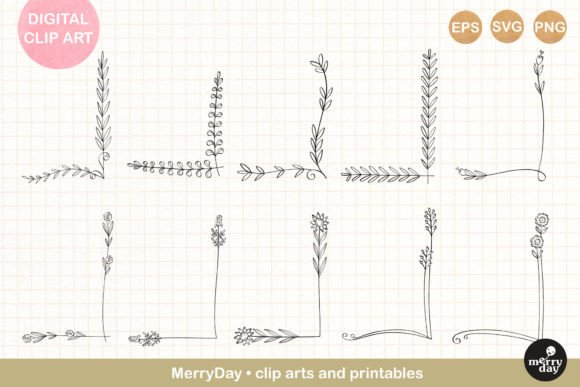
10 Flower and Leaves Corner Line Art: A Designer’s Perspective
If you're an embroidery designer, small business owner, or craft entrepreneur looking to add a touch of elegance and botanical charm to your projects, the 10 Flower and Leaves Corner Line Art is worth a closer look. This set offers a curated collection of delicate floral motifs that are ideal for framing designs in corners—think cards, invitations, gift tags, and more. But as someone who regularly evaluates machine embroidery designs for real-world use, I want to walk through what this design can do, where it shines, and where you might need to tread carefully.
Aesthetic First Impressions
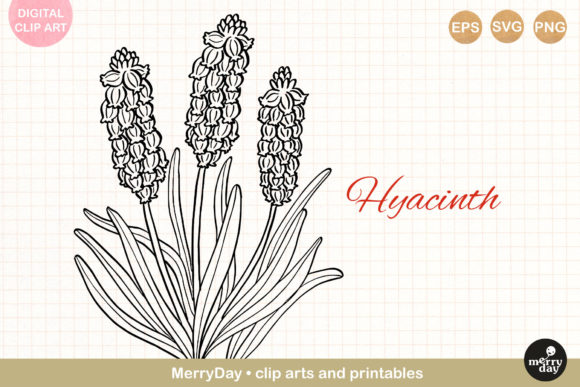
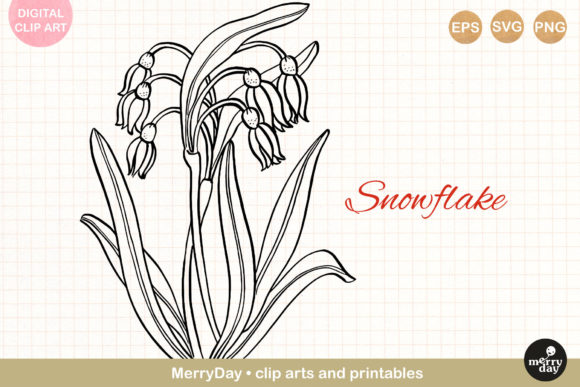
The first thing that stands out about 10 Flower and Leaves Corner Line Art is its soft, whimsical feel. Each illustration carries a hand-drawn quality that suggests organic growth and natural beauty. The line art is clean and minimalistic, with subtle curves and varying stem thicknesses that give the pieces visual depth without being overwhelming. These aren’t bold, in-your-face florals; they’re quiet accents that speak volumes when placed thoughtfully.
I see this set fitting perfectly into romantic or nature-inspired themes. It could enhance wedding invitations, Easter cards, or even boutique-style apparel labels. The mood is gentle and inviting, which makes it versatile but also very specific in tone. You’ll know right away whether it aligns with your brand or project aesthetic.
Real-Life Embroidery Applications
Let’s imagine a scenario: you’re creating a custom embroidered tote bag for a local boutique. The client wants something elegant yet understated, perfect for carrying essentials while making a stylish statement. Where would these corner flowers fit?
On tote bags: Placing one of these designs in each corner of a tote adds a decorative frame without cluttering the space. They work especially well with text-centered designs or monogrammed logos, offering a graceful border that elevates the overall look.
For sweatshirts and t-shirts: These motifs are great for adding detail to the bottom corners or along seams. When paired with a simple script name or logo, they create a cohesive, polished appearance that feels both professional and personal.
In baby items: Delicate floral corners can be used on onesies, bibs, or pillow covers. Their gentle lines and lack of aggressive stitching make them safe for sensitive skin and suitable for smaller hoop sizes, though there are some caveats we’ll cover later.
As embroidered patches: If you're an Etsy seller or handmade product creator, using one of these as a patch on denim jackets or backpacks could be a nice touch. The simplicity of the line art translates well into applique-style work, especially if you pair it with satin stitch outlines for dimension.
On aprons and tea towels: The Flower and Leaves Corner Line Art brings a charming, cottagecore vibe to kitchen accessories. Whether you’re designing for yourself or selling at a craft fair, these little flourishes can make all the difference in perceived value and customer appeal.
Visual Appeal and Brand Consistency
What I appreciate most is how the 10 Flower and Leaves Corner Line Art enhances the visual personality of any project. It doesn’t shout—it whispers. That subtlety is powerful in branding. For a craft business or small shop product, this kind of design helps build a consistent, recognizable style across your offerings. Customers begin to associate those floral touches with your signature look, which boosts brand recognition and professionalism.
But don’t mistake subtlety for insignificance. These illustrations can elevate the product value and giftability of anything from holiday embroidery to personalized baby gifts. People respond to the warmth and care that such details convey, especially in handmade products or personalized gifts.
Where to Use with Caution
While the Flower and Leaves Corner Line Art has broad appeal, it’s not always the best choice for every fabric or surface. Here are a few considerations based on my experience:
- Small hoop sizes: Some of the more detailed elements may get lost in tiny hoops. Always check the scale before using them in miniature projects like keychains or mini patches.
- Textured fabrics: On materials like canvas or denim, the fine lines may appear less crisp. Test the design on a scrap piece to ensure it retains clarity after stitching.
- Stretchy or thin fabric: The line art relies on precision, so stretchy materials like knits or lightweight cottons may distort the shape unless properly stabilized.
- Dark fabric backgrounds: Thread color contrast is essential. While white thread works well on dark backgrounds, consider using lighter hues for better visibility and impact.
- Curved surfaces: Patches or embroidery on caps or curved areas may require adjustments to maintain proportion and alignment.
Stitch Clarity and Design Layout
Embroidery designers know how important stitch clarity is. With this set, the line art is mostly composed of running stitch or satin stitch elements, which are forgiving in terms of density. However, intricate stems or petal edges can become blurry if the stitch count isn’t high enough or the thread colors don’t stand out.
I recommend reviewing each design in your software to adjust the stitch spacing and direction, especially if you plan to use it on a sweatshirt embroidery project. Also, keep in mind that dense stitch areas might affect the drape of certain fabrics, particularly in holiday gifts or nursery decor.
Practical Notes for Embroidery Designers and Sellers
Here are a few tips to help you get the most out of 10 Flower and Leaves Corner Line Art:
- Test on scrap fabric first: Before stitching on a final product, test the design on similar material to evaluate how the stitches lay and how the motif interacts with the fabric texture.
- Check thread color contrast: Especially important for digital embroidery file users. If your background is dark, opt for light thread shades to make the line art pop.
- Review stitch density: Adjust the stitch settings depending on the fabric. Lighter weights often benefit from tighter stitches to avoid gaps in the lines.
- Confirm hoop size: Hoop limitations vary by machine. Ensure the design fits within your available hoop dimensions, especially for smaller projects.
- Inspect small details: Zoom in and check for tiny elements that may not render well on all machines. Simplify if needed to prevent distortion or skipped stitches.
- Use proper stabilizer: Backing and topping stabilizers can make a big difference in maintaining the integrity of the design, especially on stretchy or slippery fabrics.
- Consider black-and-white mockups: This helps visualize how the design will look without color influence, ensuring it complements the rest of your layout.
- Compare light and dark backgrounds: Try placing the same design on different colored bases to see which gives the best balance and readability.
- Check commercial licensing: If you're planning to sell finished products or digital assets, confirm the license allows for commercial use. Without proper permissions, you risk legal issues down the line.
Customer Reactions and Market Potential
From a sales perspective, customers love the idea of embroidered patches or custom apparel that features botanical elements. The Flower and Leaves Corner Line Art adds a level of sophistication that appeals to those shopping for unique, handmade items. As an Etsy seller or digital product seller, integrating this design into printable mockups or preview templates can help showcase your products more professionally online.
However, the design may not resonate with everyone. Those seeking bold, modern aesthetics might find it too traditional. Still, for niche markets like wedding favors, Valentine’s day cards, or boutique-style merchandise, it’s a strong contender.
Final Thoughts for Creative Entrepreneurs
As an experienced embroiderer and reviewer, I’d say the 10 Flower and Leaves Corner Line Art is a solid addition to your design library if you’re working on projects that call for soft, romantic visuals. It's not going to replace a dynamic, geometric pattern, but it does offer a refined option for handmade product creators who want to infuse their work with a sense of craftsmanship and charm.
Before committing to a full production run or listing on your craft business site, take the time to test the design thoroughly. Look at how it performs on various fabrics, with different thread colors, and in different positions on your garment or item. And remember to always verify licensing terms if you plan to sell or distribute the embroidery project commercially.
With the right application and attention to detail, this set can transform ordinary items into memorable, beautifully stitched finished products. Just make sure to match the design to the right project, and you’ll see how it contributes to customer trust, visual appeal, and buyers’ engagement.