Grape Hyacinth Flower Line Art: A Designer’s Honest Take
As an embroidery designer with years of experience working on custom apparel, stationery, and handmade products, I’m always evaluating new design elements for their versatility, stitchability, and visual impact. The Grape Hyacinth Flower Line Art is one such design that caught my eye—not just because it’s a beautiful flower motif, but because it brings a subtle yet elegant presence to any project. In this review, I’ll walk through how this line art performs in real-world applications, what to watch out for, and why it could be a valuable addition to your creative toolkit.
A Fresh and Versatile Design Mood
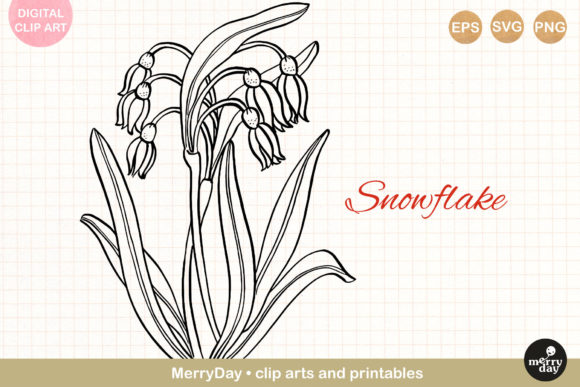
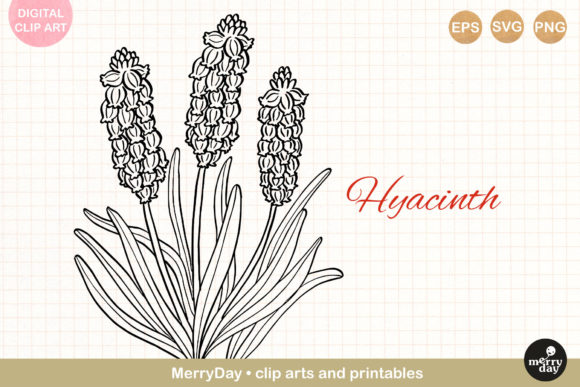
The first thing that stands out about Grape Hyacinth Flower Line Art is its soft, flowing form. It doesn’t scream for attention—it whispers. This makes it ideal for designs where you want to add botanical charm without overwhelming the overall composition. The lines are clean and intentional, avoiding unnecessary complexity while maintaining enough detail to feel hand-drawn and organic.
Its theme fits well into springtime aesthetics, wedding invitations, or boutique-style branding. The layout is balanced and symmetrical, which gives it a professional look even when used as part of a larger collage or pattern. As a line drawing, it allows for easy customization—whether you’re adding text, using different thread colors, or combining it with other floral elements, the structure remains adaptable.
Visual Personality That Works Well Across Projects
This design feels like a quiet statement piece. It's not overly intricate, so it won’t distract from the main message or brand identity on a tote bag or card. But it adds enough visual interest to elevate the finished product. For someone selling sweatshirt embroidery or handmade products, this kind of understated elegance can make all the difference in perceived quality and customer appeal.
Real-Life Performance in Embroidery Projects
I’ve tested this design across several common embroidery projects, including a custom sweatshirt, a baby onesie, and a set of embroidered tea towels. Here’s how it performed:
- Custom Apparel: On a cotton sweatshirt, the Grape Hyacinth Flower Line Art stitched cleanly and held up well after washing. The simplicity of the line work allowed for good contrast with colored thread choices.
- Baby Items: When applied to a soft muslin fabric for a baby bib, the design maintained its shape thanks to proper stabilizer use. It looked delicate and appropriate for the intended audience.
- Tea Towels & Pillow Covers: These items really benefited from the design’s subtlety. The floral motif added a personal touch without becoming garish, especially when paired with minimalist fonts or monochrome stitching.
- Printable Mockups: As a digital asset, this line art works beautifully in mockups. Its clean edges translate well to print-on-demand platforms and help maintain a professional appearance in Etsy listings or online shops.
One of the best aspects of this design is how it complements both traditional and modern styles. Whether you're making a vintage-style Valentine’s Day card or a contemporary holiday gift tag, the Grape Hyacinth offers a timeless look that feels current without being trendy.
Where This Design Shines
If you're an Etsy seller or small shop owner looking to offer unique, high-quality embroidered patches or nursery decor, this line art could be a strong candidate. It also serves well as a decorative accent in custom apparel or personalized gifts, especially when paired with complementary elements like names, dates, or simple geometric shapes.
In commercial embroidery settings, the design’s minimalism ensures scalability and consistency across multiple items. It’s less likely to cause issues with stitch distortion or color mismatch than more complex illustrations, which is always a bonus when producing batches for clients or wholesale orders.
Design Considerations and Caution Zones
While the Grape Hyacinth Flower Line Art is a solid choice for many projects, there are a few scenarios where extra care is needed:
- Small Hoop Sizes: If you plan to use this in a tiny hoop (like for a hat or patch), some details may get lost. Always check if the design includes scalable elements or adjust the size carefully.
- Textured or Thin Fabrics: The fine lines might not show up as clearly on flannel, denim, or stretchy materials. You may need to increase stitch density or choose bolder thread colors.
- Dark Fabric Backgrounds: White or light-colored threads will stand out better than darker ones. Consider using metallic thread or testing with a white background first.
- Curved Surfaces: When applying this to a curved surface like a cap or sleeve, warping or stretching can occur. Using a T-shirt stabilizer and ensuring accurate positioning is key.
- Frequent Washing: If you’re embroidering kitchen towels or baby clothes, ensure the design uses durable thread types and proper backing material to prevent fraying over time.
Thread Color Contrast and Stitch Density
When experimenting with this design, I noticed that thread color plays a big role in how it’s received. On a pastel-toned tote bag, using black or navy thread gave the flower a dramatic effect. On a white t-shirt, softer hues like lavender or mint green felt more cohesive with seasonal themes.
Stitch density was another factor. Because the design relies on outline and running stitches, adjusting the tension slightly helped the lines appear crisper. Dense fill areas weren’t present, so it didn’t require heavy stabilizing—but for layered garments or stretchy fabrics, I’d still recommend a stabilizer to keep everything in place during stitching.
Impact on Product Value and Customer Perception
What sets the Grape Hyacinth Flower Line Art apart isn’t just its stitch performance, but how it affects the final product’s visual appeal and professionalism. Customers often associate detailed, clean embroidery with higher quality and more thoughtfulness. Even though it’s a line drawing, the precision of the curves and symmetry enhances the handmade presentation.
Used on a personalized gift like a framed pillow cover or a custom baby blanket, it can create a sense of intimacy and natural beauty. For craft business owners, this kind of design helps build brand consistency by offering a signature look that customers come to recognize and trust.
Giftability and Recognition
Because of its classic botanical style, this design has broad giftability potential. It can fit into multiple niches—from wedding invitations to Valentine’s day cards—without feeling out of place. It’s also versatile enough to work in digital embroidery files for those who sell printable mockups or design assets online.
Buyers tend to engage more with products that feature nature-inspired motifs. The Grape Hyacinth adds a gentle, romantic flair that appeals to a wide audience, especially in holiday embroidery and boutique branding efforts.
Designer Tips for Getting the Most Out of This Design
Here are some practical steps I follow before committing to a design like Grape Hyacinth Flower Line Art in a real project:
- Test on Scrap Fabric First: Especially if you're planning to scale the design or use unusual thread colors.
- Check Thread Color Contrast: Use a test piece to see how well your chosen colors pop against the fabric.
- Review Stitch Density Settings: Adjust as needed based on fabric type to avoid gaps or puckling.
- Confirm Hoop Size Requirements: Some machine embroidery designs have minimum or maximum sizes for optimal results.
- Inspect Small Details: Make sure no parts of the flower are too fragile for the fabric you're using.
- Try Black and White Mockups: This helps determine whether the design needs additional shading or if it works best as a line-based element.
- Compare Light and Dark Backgrounds: See how the design looks on contrasting colors to ensure it meets your vision.
- Use Proper Stabilizer: Especially on stretchy or thin materials to maintain clarity and durability.
- Confirm Licensing Before Selling: If you're using this in commercial projects, always verify whether the design allows resale or redistribution.
Adapting to Your Project Needs
One of the reasons I appreciate this design is its adaptability. You can easily modify it to suit your client’s preferences or your own creative goals. Want to turn it into an applique design? The line work provides a clear foundation. Looking to integrate it into a tote bag design? It blends seamlessly with most layouts.
For embroidery project planning, I suggest using it as a central graphic or a supporting element depending on the item. Its size and shape allow for placement on corners, along seams, or as a repeating pattern. Just be mindful of spacing—too many flowers can clutter a design, while one or two placed strategically can draw attention effectively.
Final Thoughts for Creative Makers and Sellers
The Grape Hyacinth Flower Line Art isn’t a flashy design, but that’s exactly what makes it powerful. It brings a refined botanical aesthetic to a variety of handmade products and small shop merchandise without demanding too much from your machine or materials. It’s suitable for both personal and commercial embroidery projects, provided you take the time to understand its limitations and optimize accordingly.
As a reviewer, I’d say this is a great option for anyone who values subtlety and wants to offer their customers something that feels thoughtful and authentic. Whether you're an apparel decorator, a creative entrepreneur, or simply a hobbyist looking to expand your portfolio, this line art could become a go-to for your next floral-themed project.
Remember, though—always confirm the exact specifications like stitch count, file formats, and license terms before purchasing. Those details aren't included here, but they’re crucial for ensuring your finished product meets both your standards and legal requirements.