Vector Elements: A Designer’s Honest Take for Real Embroidery Projects
As an embroidery designer with years of experience working on everything from custom apparel to boutique branding, I always take a moment to assess new design assets before jumping into production. When I first laid eyes on Vector Elements, the flower vector set, it gave off a clear vibe—this is a design meant for inspiration and versatility. Let me walk you through my real-world evaluation so you can decide if this fits your next project.
First Impressions: The Mood and Style of Vector Elements
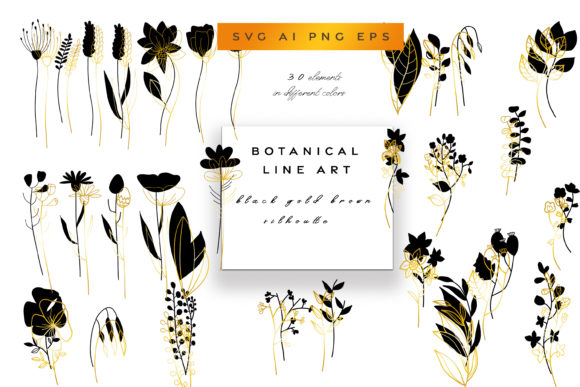
The Vector Elements collection feels fresh and romantic, with clean lines and a soft, elegant aesthetic that screams “handmade charm.” Each floral motif has a delicate balance between detail and simplicity. There are no overly complex elements here, which is a good sign for usability across different projects. The theme leans toward garden-inspired florals, making it ideal for wedding designs, seasonal gifts, or any product that needs a touch of nature without being overwhelming.
I found myself imagining how these would look stitched onto a linen tote bag or as part of a baby onesie design. The visual personality is subtle but impactful, especially when using light thread colors against pastel or natural fabric tones. It's not too bold, but it carries enough presence to stand out in the right context.
Real-Life Use Cases: Where Vector Elements Shine
When considering practical applications, Vector Elements is best suited for mid-to-large hoop sizes where the details can breathe. Here are some scenarios where this design excels:
- Tote Bag Design: The floral layout works beautifully on cotton or canvas. It adds a personal touch without dominating the space, perfect for creating a handmade product that customers will love.
- Sweatshirt Embroidery: Placed along the chest or back, the design stitches cleanly and maintains its shape even after repeated washing.
- Baby Clothes and Nursery Decor: The gentle curves and soft shapes make this a great fit for embroidered bibs, swaddle blankets, or pillow covers.
- Commercial Embroidery: Whether you're an Etsy seller or running a small shop, the consistent style helps maintain brand recognition across products like aprons, tea towels, and holiday gifts.
- Printable Mockups: If you’re selling digital embroidery files, the clean vector format ensures crisp preview images for your listings.
What stands out most is how well the design translates into both satin stitch outlines and fill stitch areas. The flowers have enough definition to feel handcrafted but aren’t so intricate that they require multiple thread changes or risk distortion during stitching.
Where to Use Vector Elements with Caution
While Vector Elements is versatile, there are certain situations where you should tread carefully:
- Small Hoop Sizes: Some of the more detailed motifs may lose clarity if forced into tight spaces. Always check the recommended minimum hoop size, if available.
- Textured Fabrics: On fabrics like denim or felt, the fine lines might not stitch as smoothly. You may need to adjust stitch density or use heavier-weight thread.
- Stretchy or Thin Materials: These designs rely on clean edges and defined centers. Stretchy materials like spandex or very thin knits could cause misalignment unless properly stabilized.
- Dark Fabric Backgrounds: While the design looks great on light-colored materials, it may appear washed out on darker fabrics. Consider using white or cream thread to maintain contrast.
- Curved Surfaces: Designs placed on caps or curved surfaces may need repositioning or resizing to keep their proportions intact.
- Dense Stitch Areas: Avoid over-stitching in one spot—especially if you're combining multiple elements. This could lead to puckering or stiffness in the finished product.
If you're planning to use this for an embroidered patch or something that requires frequent machine washing (like kitchen towels), test the design thoroughly for durability and colorfastness.
Design Notes for Maximum Impact
Here are some key tips I’ve picked up while testing similar designs in the field:
- Test on Scrap Fabric First: Before committing to a client order or batch of handmade products, try stitching Vector Elements on scrap material. This helps catch issues with thread tension or fabric behavior early.
- Check Thread Color Contrast: Make sure your chosen thread complements the fabric. Lighter shades tend to highlight the elegance of this design better than dark ones.
- Review Stitch Density: Especially for fill areas, ensure the stitch count isn’t too tight, which can cause puckering, or too loose, which might make the design look unfinished.
- Confirm Hoop Size Requirements: If the vendor hasn’t provided specifics, double-check the dimensions needed for each element to avoid scaling issues.
- Inspect Small Details: Even though Vector Elements is designed for accessibility, small parts like petals or stems may need tweaking for certain machines or fabrics.
- Use Proper Stabilizer: For stretchy or delicate fabrics, stabilizer is essential. It keeps the design flat and prevents distortion during the process.
- Consider Licensing: If you plan to sell finished items or digital embroidery files, confirm whether the design allows commercial use. Always read the terms before going to market.
Visual Appeal and Customer Trust
One of the things I appreciate about Vector Elements is how it enhances the visual appeal of the final product. The floral composition feels intentional and balanced, which makes the finished item look professional—even if it’s a hobbyist’s creation. As someone who values customer trust, especially as an Etsy seller, I know that a polished design goes a long way in convincing buyers of quality.
When applied to personalized gifts or holiday embroidery, these graphics add a layer of sophistication that elevates the overall presentation. They help create a cohesive look across your product line, which is crucial for building a recognizable craft business or small shop product identity.
Stitch Clarity and Handmade Presentation
Embroidery is all about precision, and Vector Elements delivers just that. The outlines are sharp and consistent, allowing for smooth transitions between satin stitch and fill stitch. That kind of control is invaluable when crafting high-quality embroidered patches or custom apparel.
However, don’t expect miracles if you rush the setup. Taking time to adjust settings for your specific machine and fabric is worth every minute. A little extra effort upfront means fewer returns and happier customers down the line.
Product Value and Brand Consistency
Using Vector Elements in your designs doesn't just mean adding a nice graphic—it means adding value. Customers notice the difference between generic, mass-produced embroidery and thoughtful, well-executed design choices. These illustrations contribute to a sense of care and intentionality, which is vital for handmade products and personalized gifts.
For those managing a creative brand or selling digital embroidery files, maintaining consistency is key. Vector Elements offers a unified style that can be used across multiple items, helping reinforce your brand identity. Just be sure to match it with complementary fonts or accents to keep your design assets feeling cohesive.
Giftability and Recognition
Have you ever received a gift that just looked thoughtfully made? That’s what Vector Elements brings to the table. Whether it's a Christmas ornament, a wedding gift, or a nursery decor piece, the design feels meaningful and bespoke. It's the kind of detail that turns a regular item into a cherished keepsake.
Its subtle yet elegant style also makes it highly recognizable. If you're looking to build a signature look for your craft business, this design could be a strong foundation. Just remember to pair it with other elements in a way that reflects your unique voice.
Professionalism and Buyer Engagement
Even if you're a hobbyist, your work can still feel professional when you choose the right tools. Vector Elements gives your projects a refined edge that appeals to discerning buyers. In today’s competitive marketplace, especially on platforms like Etsy or at craft fairs, engaging visuals are non-negotiable.
Buyers are drawn to designs that look intentional and high-quality. With Vector Elements, you’re not just selling a product—you’re offering a story, a sentiment, and a sense of artistry. That emotional connection is what turns casual browsers into loyal customers.
Final Thoughts for Embroidery Designers and Makers
In summary, Vector Elements is a solid addition to your design toolkit—especially if you're aiming for a romantic, garden-style aesthetic. It’s suitable for a wide range of machine embroidery designs, from simple applique pieces to more involved commercial embroidery projects.
But remember, every machine and fabric behaves differently. Always do a test run, especially if you're planning to use it in a high-volume setting or on tricky materials. And if you're reselling the finished product or digital files, verify licensing terms to stay compliant.
Overall, I’d say this is a reliable and beautiful choice for those who want to add a touch of floral elegance to their creations. Just make sure to treat it with the same attention you'd give to any illustrations or graphics—because in the end, it's the details that define your brand and your craft.