Abstract Linear Art Illustration Couple Review
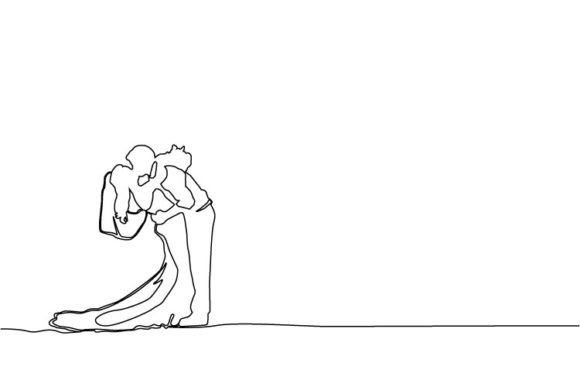
As an embroidery designer who's worked with countless digital files, I always look for something that stands out—not just visually, but in how it translates into a stitched product. The Abstract Linear Art Illustration Couple caught my attention the moment I opened its preview image. It’s not your typical romantic couple design; this one leans into modern minimalism and abstract storytelling. Let me walk you through how I see this design performing in real-world embroidery projects.
A Mood of Modern Elegance
The first thing I noticed about Abstract Linear Art Illustration Couple is its clean, geometric feel. The shapes are simple yet expressive, using intersecting lines and subtle negative space to suggest a pair in a loving or connected pose. There’s no realism here—just emotion through form. This kind of style speaks to a contemporary audience, especially those who appreciate understated artistry over bold imagery.
What stood out was the balance between detail and simplicity. While it doesn’t feature intricate facial features or clothing textures, the design uses line weight and direction to convey movement and connection. That makes it versatile for both small-scale and large-format embroidery, depending on the project and fabric type.
Visual Personality and Project Fit
This illustration feels like it belongs in a handmade product with a minimalist aesthetic—think custom apparel for boutique shops, nursery decor, or personalized gifts with a modern twist. It’s not loud, but it commands attention through its elegance. For someone selling sweatshirt embroidery or tote bag design items on Etsy, this could be a great fit if their brand aligns with modern art and soft romance.
I also saw potential for using this as a background element in printable mockups or layered with other embroidery project elements. Its linear nature allows it to sit behind text or other motifs without overwhelming them. It’s definitely a design asset that can work both independently and in combination with others.
Real-Life Embroidery Performance
Let’s imagine we’re preparing a custom embroidered sweatshirt for a client. We choose the Abstract Linear Art Illustration Couple because it fits the client’s desire for something unique and artistic. When we import the SVG file into our embroidery software, we notice that the layout is symmetrical and well-structured. This is a good sign—it suggests the design will stitch evenly and maintain its shape regardless of placement.
- Custom Apparel: On a cotton-poly blend sweatshirt, the lines stitch cleanly and hold up well. The contrast of thread colors really brings the piece to life, especially when paired with a light fabric.
- Baby Items: Placed subtly on a onesie or a baby blanket, the design adds a touch of sophistication without being too busy. Parents love the modern, calming vibe.
- Embroidered Patches: As a patch design, it works beautifully on denim jackets or canvas bags. The lines remain crisp, and the absence of dense fill areas means less bulk, which is essential for wearable patches.
- Nursery Decor: Stamped onto a pillow cover or framed as wall art, it becomes a statement piece that blends seamlessly into a modern nursery or living room.
- Holiday Gifts: When applied to a kitchen towel or apron, it elevates the item from ordinary to artisanal. Customers often comment on the uniqueness of such designs during the holiday season.
Its versatility extends to commercial embroidery as well. A small shop owner could use this as part of a curated collection of wedding-themed graphics for personalized gifts. The design’s adaptability across formats (Ai, Eps, Svg, Png, Jpg) makes it easy to incorporate into branding materials, digital previews, or physical products alike.
Where Caution Is Key
Despite its strengths, there are some limitations to consider before stitching. For example:
- Small Hoop Sizes: If you plan to use this in a tiny hoop, say for a cap or a detailed corner on a tote, the fine lines may become distorted. Always confirm the minimum hoop size required for the design.
- Textured or Stretchy Fabrics: The design relies heavily on precise line placement. On fabrics like flannel or stretch knits, the lines might shift slightly, affecting the overall composition. A proper stabilizer is a must in these cases.
- Dark Fabric Backgrounds: The design looks best on lighter tones where the lines can pop. On darker fabrics, thread color choice becomes critical. You’ll want to test a few options to ensure visibility.
- Frequent Wash Use: Designs with high stitch density can pill or fade faster. Since this is more of a linear, open-style illustration, it should hold up better than dense satin-stitched pieces—but still worth testing on similar fabric to be safe.
Also, while the design is elegant, it may not suit every occasion. Think carefully before applying it to overly casual items unless the target customer appreciates abstract art in everyday wear. And if you're planning to embroider it onto curved surfaces like caps or hats, you'll need to adjust the design to match the garment’s contour, which may require additional editing in your embroidery software.
Design Value and Customer Perception
When used correctly, the Abstract Linear Art Illustration Couple enhances the visual appeal of any product. It gives a sense of thoughtfulness and creativity, which is key for craft business owners trying to stand out in a crowded market. The clarity of the lines after stitching ensures that the final product remains legible and impactful, even at a glance.
From a brand consistency perspective, this design could easily become a signature motif for a small shop focusing on modern home goods or fashion accessories. It adds a layer of professionalism and originality that customers respond to positively, especially if they’re looking for personalized gifts that reflect a shared artistic taste rather than clichéd phrases.
On handmade products, the design contributes to a premium presentation. Whether it’s a custom pillow cover or a holiday-themed tea towel, the finished item feels intentional and refined. That’s important for Etsy sellers and small shop product creators who rely on visual trust and quality perception to convert buyers.
Designer Notes: Before You Stitch
Before moving forward with any embroidery project involving this design, here are a few practical steps I recommend:
- Test the design on scrap fabric to see how it reacts to your machine and thread choices.
- Check thread color contrast against your fabric sample. The design benefits from high contrast to make the lines pop.
- Review stitch density settings to avoid unnecessary tension or puckering, particularly around intersections and corners.
- Confirm the hoop size needed for the full design. Some elements might get lost if the hoop is too small.
- Inspect small details manually. Abstract designs often hide imperfections in software previews, so zoom in and check each line segment.
- Run a black-and-white mockup to evaluate whether the design will still be visible and appealing in grayscale or on monochrome garments.
- Compare how the design looks on both light and dark fabric backgrounds. Sometimes what looks great in preview doesn’t translate well to different materials.
- Use the appropriate stabilizer based on your fabric texture. Light-weight tear-away might work for most, but woven or stretchy materials may need cutaway or wash-away types.
- If you plan to sell the finished product, always verify the licensing terms included with the digital embroidery file. Not all illustrations are clear on commercial usage rights.
Final Thoughts
The Abstract Linear Art Illustration Couple is a strong addition to any embroidery designer’s library, especially those working in niche markets like boutique fashion, home décor, or personal gift customization. It offers a fresh take on a classic theme—love and partnership—with a modern edge that appeals to a broad demographic without feeling dated.
However, like many machine embroidery designs, it requires thoughtful application. Don’t assume it will look perfect on every surface or fabric. Take time to understand how the lines interact with your materials and what kind of message the design conveys in context. Done right, it can significantly increase the perceived value of your products and improve buyer engagement.
If you're aiming to elevate your design assets with something that feels handcrafted yet professional, this illustration is worth considering. Just remember to treat it like any other embroidery file: test, adjust, and tailor it to your specific needs and audience preferences.